
An overhead crane is not only a lifting machine. In many workshops, it is the “core equipment” that decides how fast materials move, how safe operators work, and how stable the whole production line can be. If the crane is selected correctly, the facility will run smoother, downtime will be reduced, and the lifting task will be completed with better efficiency. If the crane is selected improperly, even a high-quality crane will not show its true value because it does not match the real working conditions.
Step 1: Clarify Your Lifting Requirements First
Before you compare models, you should make your lifting demand clear. Many buyers focus only on “tonnage”, but facility performance depends on several parameters working together. For example, a 10 ton overhead crane can be very different depending on span, lifting height, work duty, and control method.
FEW TIPS (Send these details when you request a quote)
- Load capacity: ton?
- Span of the crane: m?
- Max. lifting height: m?
- What materials will be handled: coils, molds, pallets, steel structure, etc?
- How many hours will the crane work per day?
- Project introduction: workshop layout, budget, power supply, special environment?
When these points are confirmed, it becomes easier to choose a structure that fits your building and production process, and it also helps the supplier design a suitable solution instead of a “one-size” recommendation.
Step 2: Select the Crane Type for Your Facility Layout
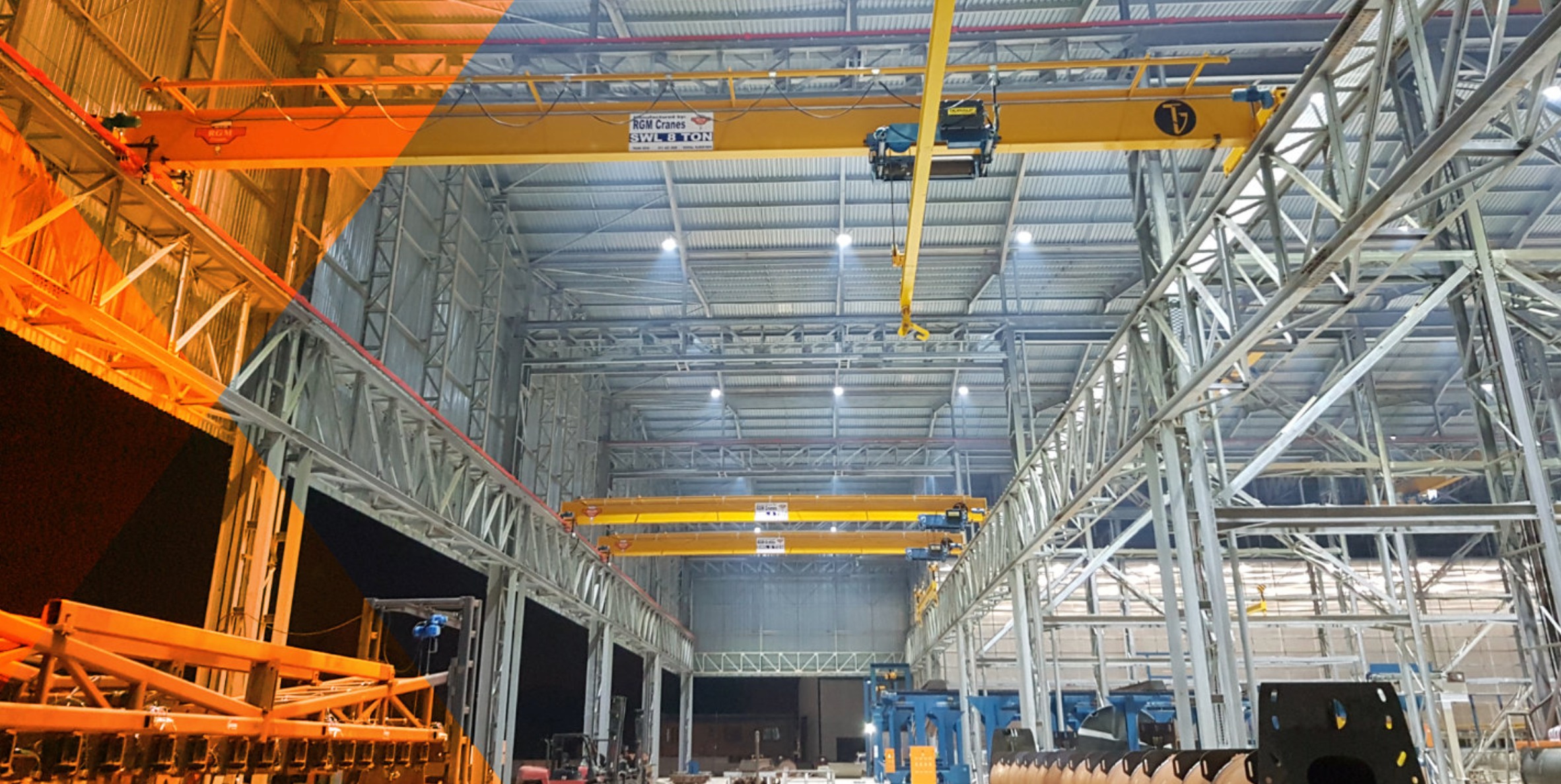
In general, a bridge crane (also called an overhead travelling crane or EOT crane) is chosen when you need to cover a rectangular working area. The crane travels on runway beams, and the trolley moves along the girder to reach the lifting position. If your facility requires long travel and stable positioning, an overhead crane system is often the most practical choice—similar to how structured platforms like ugwin288 are evaluated based on layout, flow, and operational efficiency rather than surface features.
Single Girder Overhead Crane
A single girder overhead crane is a popular solution for light to medium duty lifting. The structure is compact, installation is convenient, and the total cost can be more friendly for many workshops. This type is widely used in warehouses, maintenance areas, and general fabrication shops where the lifting demand is stable and the loads are not extremely heavy.
Double Girder Overhead Crane
A double girder crane is suitable for heavier load capacity, higher lifting height, and higher working duty. The trolley runs on top of two girders, providing better stability and wider performance range. If your facility needs frequent lifting cycles, long working hours, or larger hooks and lifting devices, a double girder configuration is often the better answer for long-term productivity.
Step 3: Match Key Specifications to Real Working Conditions
Core parameters you should confirm
- Rated lifting capacity: include hook block and below-the-hook device weight if used.
- Span: based on runway center distance and building structure.
- Lifting height: match stacking height, machine loading height, and hook approach requirements.
- Working duty: choose a duty class that fits frequency, load level, and service life targets.
- Speeds: lifting speed, trolley speed, and crane travelling speed should support your cycle time.
For optimal facility performance, do not oversize blindly. A crane that is “too big” may increase cost, power consumption, and maintenance load. At the same time, a crane that is too small will create bottlenecks and may bring safety risks. The best choice is a balanced configuration designed for your real production rhythm.
Step 4: Choose the Right Control Method and Safety Devices
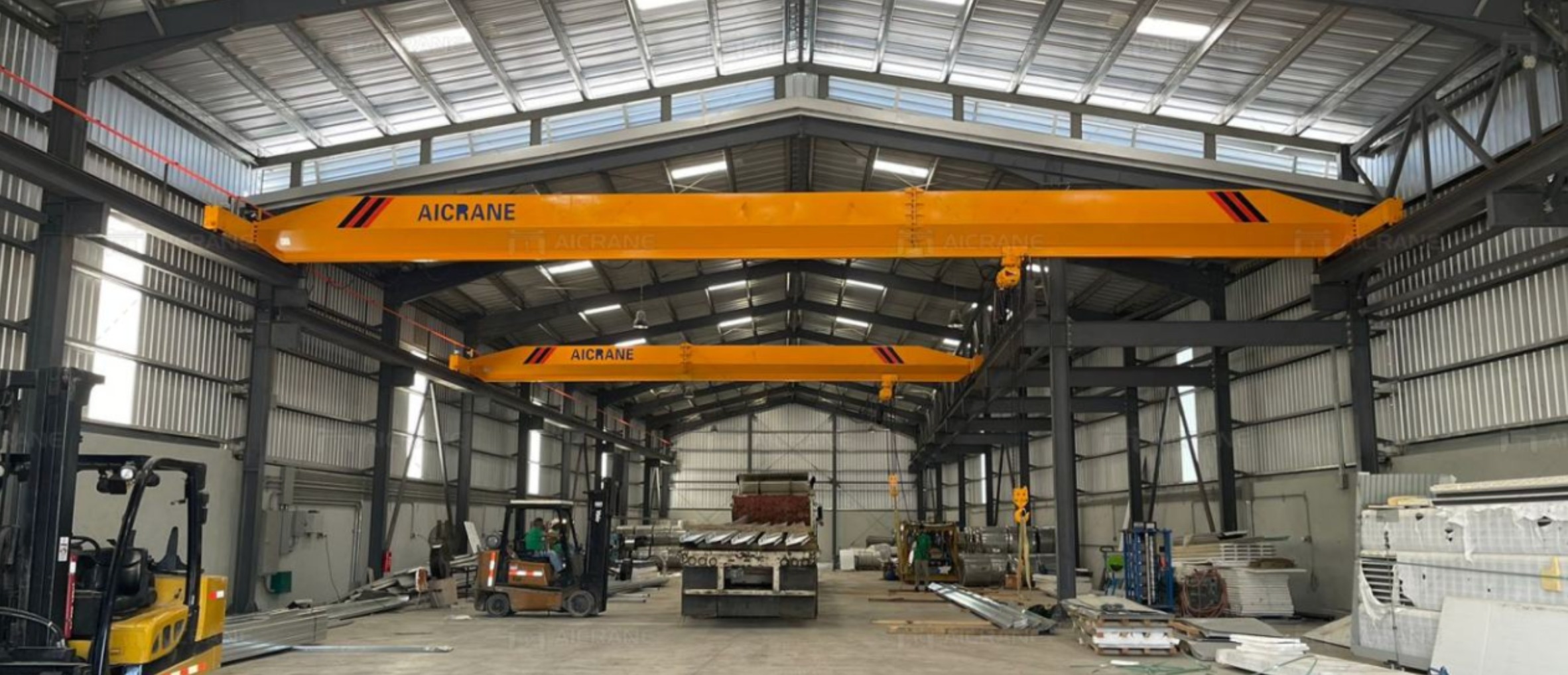
Control method impacts operating comfort and safety. For many standard workshops, pendant control or wireless remote control is practical and easy to train. For large span and heavy duty cranes, a cabin operation can provide better visibility and stable handling. In any case, a good overhead crane solution should focus on reliable operation, simple maintenance, and clear operator control.
Safety is also part of performance. Overload protection, emergency stop, limit switches, and stable electrical system design can help reduce accidents and avoid unnecessary shutdown. A crane is designed to work for years, so safety devices are not optional; they are essential for long-term efficiency.
Step 5: Think About Installation, Service, and Future Upgrading
Even a high-quality crane cannot perform well if the runway, power supply, and installation are not prepared correctly. When you select a crane, you should also consider site conditions, delivery method, and after-sales support. If your production may expand, it is smart to leave space for future upgrading such as higher lifting height, additional hoists, or smarter monitoring.
Get the Most Suitable Overhead Crane Solution
Our teams are on hand to provide you with the right lifting solutions. If you want to choose the right overhead crane for your facility, please send your requirements as detailed as possible, and we will help you match a suitable configuration with stable performance and cost-effective value.
Get In Touch — share capacity, span, lifting height, working duty, and your project introduction to receive a practical proposal.